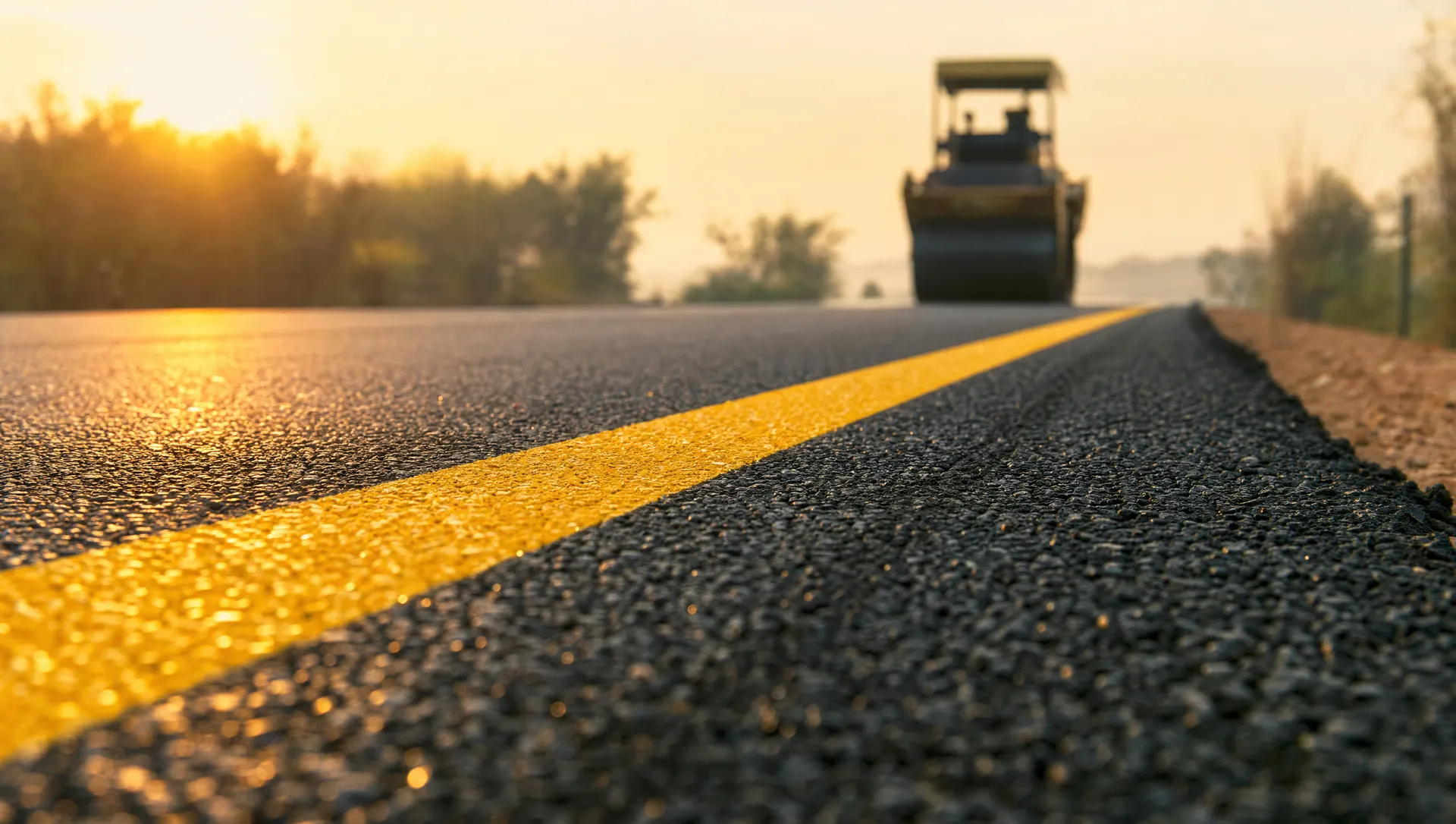
Asphalt Paving in Cape Girardeau, MO
New asphalt is only as good as what's underneath it. A smooth, freshly paved surface over a base that wasn't properly prepared and compacted will show cracks and low spots within a year or two, no matter how nice it looks the day it's finished. Cape Girardeau Paving handles asphalt paving for driveways, parking lots, private roads, and lanes throughout Cape Girardeau, Missouri — grading, base preparation, and installation done as one job instead of shortcuts stacked on top of each other.
Whether you're paving a gravel driveway for the first time, replacing asphalt that's past patching, or putting in a new lot for a commercial property, the process starts the same way: understanding the ground you're building on before any asphalt gets laid. That groundwork is what separates paving that holds up for decades from paving that needs attention again in a year or two.
What's Included in an Asphalt Paving Job
A proper paving job is mostly about what happens before the asphalt truck ever shows up:
- Site evaluation — checking the existing surface or ground, drainage patterns, and what the pavement needs to support
- Grading — shaping the site so water sheds off the finished surface instead of pooling on it or running toward a structure
- Base preparation — excavating, compacting, and building up a stable aggregate base that can support the asphalt and whatever drives on it
- Edge and transition work — tying the new pavement into driveways, garage aprons, curbs, or roadways cleanly
- Asphalt installation — laying and compacting the asphalt at the right thickness for the intended use
- Finish work — clean edges and a surface ready for striping or sealcoating once it's cured
Skipping any one of these steps is usually where premature cracking and settling comes from later. A base that wasn't compacted enough will keep settling under the new asphalt for months after it looks finished, and that shows up as dips, cracks, and low spots that hold water — which just accelerates the next round of damage.
The Cape Girardeau Angle
Cape Girardeau's terrain isn't flat. The city sits across hills and bluffs above the Mississippi River, and that means grading is rarely a formality here — it's often the difference between a driveway that sheds water cleanly toward the street and one that channels it straight at a garage door or foundation. Older in-town lots and newer builds further out from downtown can both have grading quirks that only show up once you're standing on the actual site.
The freeze-thaw stretch that runs from late fall into early spring also shapes how a base gets built. A base that isn't compacted and drained properly will hold water, and that water freezing and thawing underneath new asphalt is one of the fastest ways to undo an otherwise good paving job. We build the base to handle that cycle, not just to look right the day the asphalt goes down.
When to Call for Asphalt Paving
New asphalt paving makes sense when you're working with bare ground or gravel that's never been paved, when existing asphalt has deteriorated past the point patching can fix — widespread alligator cracking, multiple potholes, or a base that's visibly failed — or when you're adding new pavement as part of a larger property change, like a new building, addition, or expanded parking area.
If your asphalt has a handful of isolated cracks or a couple of potholes but is otherwise solid, full paving is probably more than you need — that's more likely a job for our asphalt repair and patching service. We'll tell you honestly which category your situation falls into.
What Affects the Cost
Asphalt paving costs vary by site, but a few factors typically drive the price on every job:
- Total square footage — larger paved areas typically cost less per square foot than small ones, since setup and equipment mobilization spread across more pavement
- Base condition — bare ground or failed gravel that needs significant excavation and rebuilding costs more than a site with a solid existing base
- Grading complexity — a site that needs significant reshaping to control drainage takes more time and material than a relatively flat, well-drained lot
- Asphalt thickness — driveways typically need less thickness than areas carrying commercial or heavier vehicle traffic
- Access — tight sites that are hard for paving equipment to reach can add time to the job
We give you a real number after seeing the site, not a guess based on square footage alone.
How long does a new asphalt paving job take?
Timing depends on size and base condition, but a typical residential driveway paving job usually runs from a day up to a few days once grading and base work are included, while a full base rebuild adds more time. Larger commercial paving jobs take longer, particularly if grading or drainage work is extensive. We'll walk you through a realistic timeline for your specific job before work starts, including how long the new asphalt needs to cure before it's ready for regular traffic.
Do I need a permit to pave a driveway or lot?
It depends on your property and local requirements, which can vary between Cape Girardeau and the surrounding towns and county areas. Some jurisdictions require a permit for new paving or for changes that affect drainage, especially on commercial properties. We can help you figure out what applies to your specific project as part of scoping the work.
Can you pave a long private road or lane, not just a driveway?
Yes. Private roads and lanes get the same base preparation and grading attention as a driveway or parking lot, scaled to the length and expected traffic. Longer paved surfaces often have more drainage considerations simply because there's more ground for water to cross before it reaches a low point, so grading tends to matter even more on these jobs.
Get a Free Quote
Tell us about the site — new pave, tear-out and replace, or an addition to existing pavement — and we'll get back to you fast with a straight, free quote.
Paving Project in Cape Girardeau?
Tell us about the surface and we'll get back fast with a free, no-pressure quote.