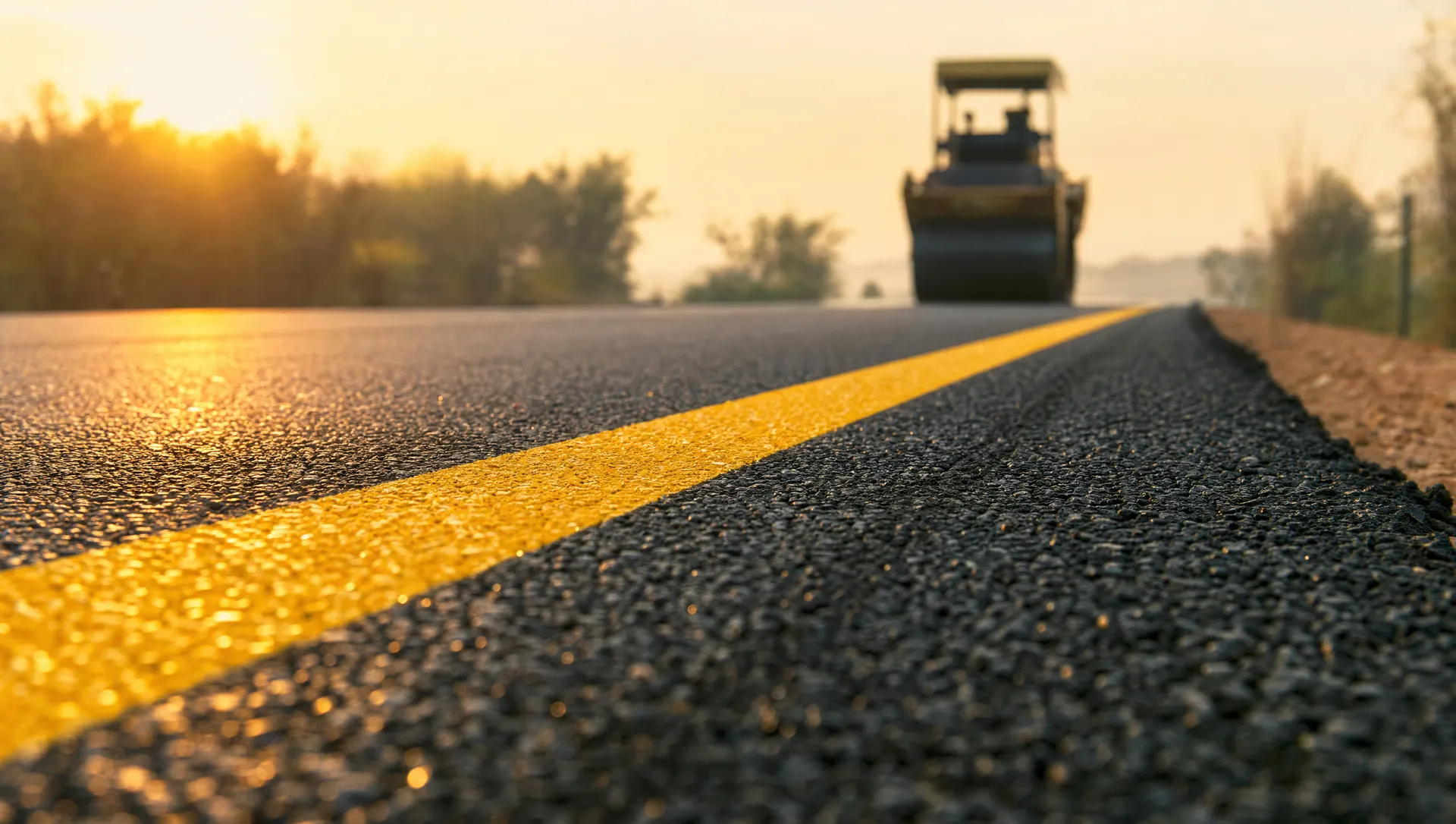
Asphalt Sealcoating in Cape Girardeau, MO
Sealcoating is the maintenance step that keeps a driveway or parking lot from turning into a repair job. It's a protective layer applied over existing asphalt that shields the surface from sun, water, and the oil and gas that drip out of parked vehicles over time. Cape Girardeau Paving applies sealcoating for residential driveways and commercial parking lots throughout Cape Girardeau, Missouri — asphalt that's structurally sound but starting to show its age, or newer asphalt that's ready for its first protective treatment.
Sealcoating doesn't fix a failing base or patch a pothole, but done on a reasonable schedule, it's one of the cheaper ways to keep asphalt from reaching the point where it needs either. Think of it as the same logic as repainting a fence or resealing a wood deck — the material underneath is fine, but the surface needs periodic protection to stay that way. Asphalt that never gets sealed doesn't fail overnight, but it ages faster, dries out, and becomes more prone to cracking than asphalt that's been protected on a regular cycle.
What's Included in Sealcoating
A proper sealcoating job typically involves:
- Surface cleaning — clearing dirt, debris, and vegetation from cracks and the surface so the sealcoat actually bonds instead of sitting on top of loose material
- Crack treatment — filling cracks before sealcoating, since coating over an open crack just traps water underneath instead of keeping it out
- Oil spot treatment — pretreating areas stained by oil or fluid leaks, which resist sealcoat adhesion if left untreated
- Application — applying the sealcoat evenly across the surface, typically in a couple of coats for even coverage
- Cure time — keeping vehicle traffic off the surface while the sealcoat sets
Skipping the crack and oil-spot prep work is the most common reason a sealcoat job doesn't hold up as long as it should — the coating itself is only as good as the surface it's bonded to. We treat those problem areas as a standard part of the job, not an upsell.
We also look at edges and transitions during prep — the seam where a driveway meets the garage apron or where a parking lot meets a curb or sidewalk tends to take more wear than open pavement, and it's worth extra attention during application rather than a quick pass with the rest of the surface.
The Cape Girardeau Angle
Asphalt in Cape Girardeau deals with two extremes every year: humid, sun-heavy summers off the Mississippi River valley that dry out and oxidize unprotected asphalt, and a freeze-thaw winter that works water into every crack the summer sun helped create. Sealcoating addresses both ends of that cycle — it blocks UV exposure that stiffens and cracks asphalt over time, and it seals the surface against water before winter gives that water somewhere to freeze and expand.
Lots and driveways in busier parts of town, like the areas around William Street and near Southeast Missouri State University, see more traffic and more exposure overall, which tends to wear a sealcoat down faster than it wears on a low-traffic residential drive. We factor that into how often we'd recommend recoating a given surface.
When to Call for Sealcoating
Sealcoating makes sense on asphalt that's structurally sound — no major potholes, no widespread alligator cracking, no sections where the base has visibly failed. If your existing sealcoat has gone dull, gray, or thin, or if your asphalt has never been sealed and is starting to look dry and faded, that's a good sign it's time.
If your asphalt already has significant cracking, potholes, or low spots holding water, sealcoating alone won't fix the underlying problem — that's a job for our asphalt repair and patching service first, with sealcoating as a follow-up once the repairs are done.
What Affects the Cost
Sealcoating costs typically depend on:
- Square footage — the total area being coated is the main driver of cost, and larger jobs typically cost less per square foot than small ones
- Surface prep needed — a lot with significant cracking or multiple oil stains needs more prep work than a clean, well-maintained surface
- Number of coats — some jobs call for a single coat, others benefit from two for more even, durable coverage
- Access and layout — lots with a lot of edges, islands, or tight areas take more time than an open, simple rectangle
We look at the actual surface before quoting, since the condition of the asphalt going in affects both the prep work and how long the sealcoat is likely to last once it's applied.
How long does sealcoating last?
Most sealcoat jobs hold up well for two to three years before they need to be redone, though traffic volume, sun exposure, and how well the surface was prepped all affect that timeline. A commercial lot with constant traffic typically needs recoating sooner than a residential driveway that sees light, occasional use.
How soon can I drive on freshly sealcoated asphalt?
Plan on keeping vehicles off a freshly sealcoated surface for about 24 to 48 hours, longer if the weather is cool or humid, since sealcoat needs warm, dry conditions to cure fully. Walking on it sooner is generally fine once it's dry to the touch, but vehicle weight before it's fully cured can leave marks or tracking in the surface.
Will sealcoating fix cracks in my driveway?
Not on its own. Sealcoating is a surface treatment, not a structural repair — cracks need to be filled as part of the prep work before sealcoating, and any potholes or base failures need to be repaired separately. Sealcoating over an untreated crack just traps water underneath the new coating instead of keeping it out, which can make the problem worse rather than better.
What's the best time of year to sealcoat in Cape Girardeau?
Warm, dry stretches in late spring through early fall typically work best, since sealcoat needs the temperature and humidity to cooperate to cure fully. Sealcoating too late in the fall risks the coating not curing properly before overnight temperatures drop, and it won't set correctly during a rainy stretch either. We keep an eye on the forecast when scheduling sealcoat work so it has a real chance to cure before weather turns against it.
Get a Free Quote
Tell us about your driveway or lot and we'll get back to you fast with a straight, free quote on sealcoating.
Paving Project in Cape Girardeau?
Tell us about the surface and we'll get back fast with a free, no-pressure quote.